
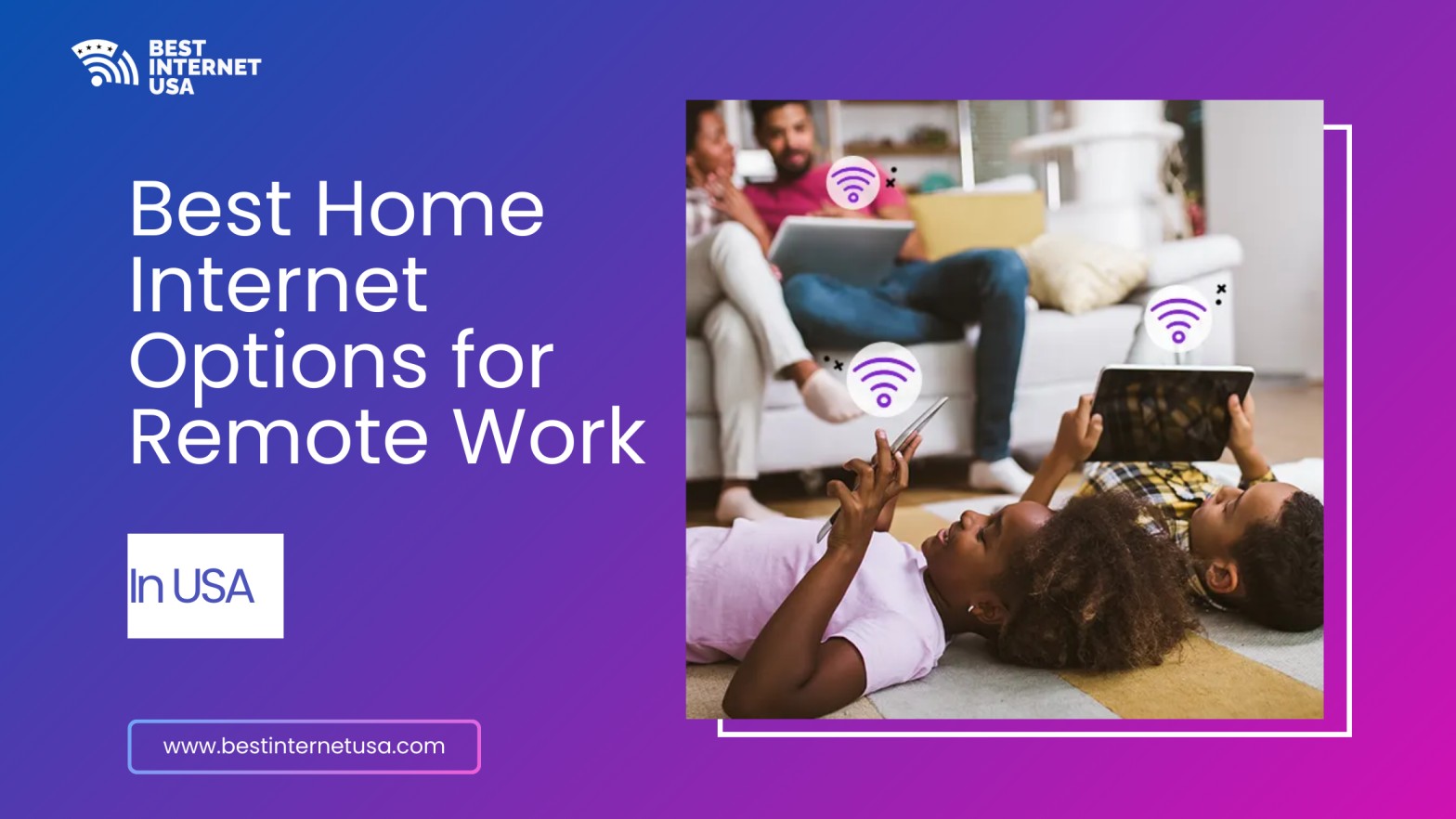
Remote work has become a permanent part of professional life in the United States. From virtual meetings and cloud-based tools to real-time collaboration platforms, a fast and reliable connection is no longer optional. Choosing the Best Home Internet Options can directly impact productivity, job performance, and even work-life balance.
Not all internet services are built the same. Your ideal setup depends on where you live, how many devices are connected, and the type of work you do. This guide breaks down the most effective internet solutions for remote workers, helping you make an informed decision without confusion or tech overwhelm.
A strong internet connection supports more than just browsing. Video conferencing, VPN access, large file transfers, and shared workspaces all rely on stable performance. Many professionals searching for the best internet for home prioritize reliability over advertised top speeds.
If your connection drops during meetings or struggles with uploads, even the fastest plan on paper won’t meet real-world needs.
Fiber-optic connections deliver symmetrical speeds, meaning uploads are just as fast as downloads. This makes fiber one of the most dependable choices for designers, developers, analysts, and content creators.
Those looking for the best home internet service often prefer fiber due to its consistency and low latency. Availability, however, remains limited in some regions.
Contact our team to compare providers and coverage in your area and identify the best suitable option based on your location.
Cable internet remains one of the most accessible services nationwide. It’s frequently ranked among the best home internet providers for remote work because it balances speed, reliability, and availability.
While upload speeds may be lower than fiber, most cable plans easily support video calls, collaboration tools, and multiple users in one household.
The rise of wireless connectivity has made best wireless internet options more competitive. Many remote workers now consider 5G-based services as a viable alternative, especially in cities and growing suburbs.
The best 5G home internet solutions are ideal for renters, frequent movers, or anyone wanting installation without drilling or cables. Performance depends heavily on network coverage and signal quality.
DSL internet uses existing phone lines and is widely available. While it doesn’t qualify as one of the best high speed internet options, it can still support emails, basic video calls, and cloud access for light remote work.
This option works best when other technologies aren’t available.
For those searching for the best high speed internet options for rural areas, satellite internet has improved significantly in recent years. Newer systems offer faster speeds and lower latency than traditional satellite services.
According to the Federal Communications Commission, expanding rural broadband access remains a national priority, making satellite and fixed wireless critical solutions for underserved regions.
Internet availability varies by neighborhood, not just by city. Searching for the best home internet in my area requires checking providers by exact address.
This helps identify:
If you’re comparing the best home internet provider in my area, address-based tools provide the most accurate results.
The best home internet plans aren’t always the cheapest or the fastest advertised. Smart comparisons focus on:
Many providers offer seasonal promotions, which can unlock some of the best home internet deals for new customers.
Choosing among the best home internet service providers involves more than speed tests. Consistent uptime, customer support, and transparent pricing matter just as much.
Reviews, local feedback, and outage history often reveal which companies truly deliver dependable service.
The right connection can transform your remote work experience. The Best Home Internet Options depend on location, job demands, and household usage. Whether you choose fiber, cable, wireless, or satellite, the key is matching performance to your actual work needs—not just marketing claims.
Take time to compare options by address, read plan details carefully, and prioritize reliability for long-term success.
Fiber, cable, 5G wireless, and satellite are the most effective options, depending on availability and work requirements.
Use address-based provider tools to see which services are available in your exact location.
Fiber or cable is ideal where available, while wireless or satellite works best in areas with limited infrastructure.
Satellite and fixed wireless services currently offer the most reliable high-speed access in rural regions.
Compare upload speeds, reliability, pricing transparency, and customer reviews rather than focusing only on download speed.
We help you compare internet companies in USA and find best internet plans near you.
Best Internet USA
Copyright © 2026 All rights reserved.